

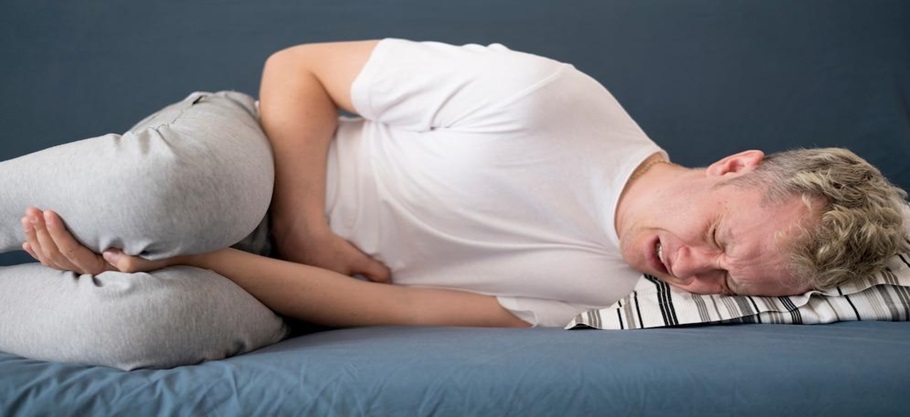
Bowel incontinence can be challenging, but effective strategies can help manage discomfort. A healthy diet with fiber and hydration regulates bowel movements while avoiding irritants like caffeine and spicy foods, which can reduce pain. Pelvic floor exercises strengthen muscles to improve control and ease discomfort.
Consulting a healthcare provider is crucial for diagnosing the cause and recommending treatments like medication or surgery if needed. With these strategies, individuals can alleviate pain and regain control.
Understanding Bowel Incontinence
Bowel incontinence, or fecal incontinence, is the inability to control bowel movements, leading to leakage or urgent urges to defecate. This condition can affect both physical and emotional well-being, causing embarrassment, anxiety, and social withdrawal. It varies in severity and is more common in older adults due to age-related changes or other health issues.
Bowel control relies on a complex system of muscles and nerves in the rectum and anus. Disruptions in this system due to physical damage, neurological disorders, or chronic conditions can result in incontinence. Recognizing symptoms early and understanding the body’s mechanisms can improve management and relief.
Common Causes Of Bowel Incontinence
Bowel incontinence can stem from structural, neurological, or functional causes.
Structural issues, such as damage to the anal sphincter from childbirth, surgery, or trauma, can weaken muscles controlling bowel movements, leading to leakage.
Neurological conditions like multiple sclerosis, Parkinson’s disease, or spinal cord injuries disrupt brain-bowel communication, impairing awareness or control of bowel movements.
Functional issues, such as chronic constipation or diarrhea, can also contribute. Chronic constipation may stretch the rectum, while diarrhea increases urgency, making it difficult to reach the bathroom in time.
Identifying the underlying cause is essential for creating a tailored treatment plan.
The Impact Of Bowel Incontinence On Daily Life
Bowel incontinence can impact daily life, leading to emotional challenges like anxiety, depression, and social withdrawal. The fear of accidents may cause individuals to avoid social situations and miss personal or professional opportunities, increasing isolation and distress.
Physically, the condition may prevent exercise and lead to poor dietary choices, worsening symptoms. Addressing physical and emotional aspects is crucial for improving overall quality of life.
Pain Management Techniques For Bowel Incontinence
Pain management strategies for bowel incontinence involve dietary changes, exercises, and lifestyle adjustments to reduce discomfort and improve quality of life. A fiber-rich diet, including fruits, vegetables, whole grains, and legumes, helps regulate bowel movements and improve stool consistency, alleviating pain. Staying hydrated with plenty of water supports digestion and prevents constipation, a common discomfort trigger. Avoiding irritants like caffeine, alcohol, and spicy foods can further reduce pain and flare-ups. Pelvic floor exercises, such as Kegels, strengthen the muscles responsible for bowel control, improving muscle tone and providing ongoing pain relief.
Medications For Pain Relief
When dietary and lifestyle changes aren’t enough, medications can help manage bowel incontinence. Antidiarrheal medications can control loose stools by slowing bowel movements. For constipation, laxatives or stool softeners can promote regular bowel movements and reduce discomfort.
Medications targeting underlying causes, such as those for neurological disorders, may also be beneficial. It’s essential to consult a healthcare provider to choose the proper medication based on symptoms and medical history, ensuring a tailored pain management plan.
Dietary Changes And Their Effect On Bowel Incontinence
Diet plays a crucial role in managing bowel incontinence. Increasing fiber, such as from oats and apples, helps bulk up stool and regulate bowel movements. Staying hydrated aids digestion and prevents constipation, while limiting caffeinated and carbonated drinks can reduce irritation. Avoiding trigger foods like spicy, fatty, or dairy can minimize discomfort. A food diary can help identify personal triggers for better dietary choices and improved bowel control.
Pelvic Floor Exercises For Strengthening Muscles
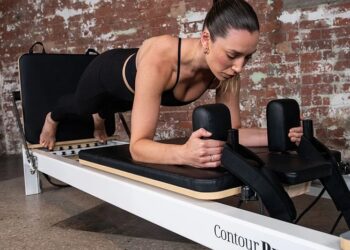
Pelvic floor exercises are key in managing bowel incontinence. They improve muscle strength and control by targeting the muscles that support the bladder and bowel, helping individuals better control bowel movements and reduce pain.
Kegel exercises, which involve contracting and holding the pelvic floor muscles, are a standard method for improving muscle tone. They can be done discreetly throughout the day.
Other exercises like bridges and squats also engage the pelvic floor. Proper form and breathing are crucial for effectiveness, and consulting a pelvic health specialist can provide personalized guidance.
Alternative Therapies For Managing Discomfort
In addition to traditional methods, alternative therapies can support managing bowel incontinence discomfort. Biofeedback therapy helps individuals gain control over pelvic floor muscles by providing real-time feedback to improve muscle strength and bowel control.
Acupuncture, involving the insertion of thin needles at specific body points, may help alleviate gastrointestinal symptoms, including those related to bowel incontinence.
Mindfulness practices, such as meditation and yoga, can reduce stress and anxiety, which often exacerbate symptoms. These relaxation techniques help improve coping strategies and overall well-being.
Lifestyle Modifications To Alleviate Symptoms
Lifestyle modifications are central to effectively managing bowel incontinence. Regular physical activity, including aerobic exercises, strength training, and flexibility workouts, can enhance bowel function, promote weight management, and reduce stress. Establishing a consistent bathroom routine is also crucial. Scheduling regular bowel movements, particularly after meals, helps train the body and reduce accidents. Finding a private, comfortable space for these needs can alleviate anxiety. Additionally, support from family, friends, or support groups and guidance from the specialized healthcare professionals at Northwest Continence Center can provide emotional relief and offer tailored strategies for managing symptoms.
Conclusion: Taking Control Of Bowel Incontinence And Improving Quality Of Life
Living with bowel incontinence can be challenging, but effective pain management techniques can alleviate discomfort and improve quality of life. Individuals can take proactive steps by understanding the condition and its causes, including dietary changes, pelvic floor exercises, and medications.
Alternative therapies and lifestyle modifications can further enhance well-being. Consulting healthcare providers to create a personalized management plan is essential. With the right strategies and support, individuals can regain control and improve their quality of life, leading to a more comfortable and fulfilling existence.