


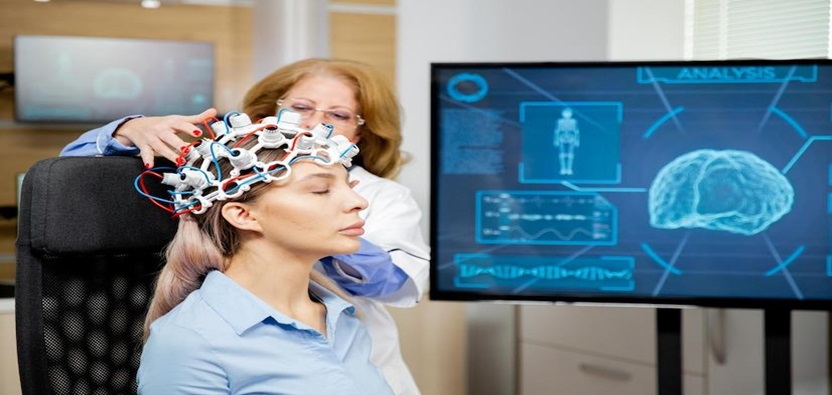
If you’re experiencing unexplained mental health symptoms, a CT scan for brain tumors may help identify physical causes. Brain tumors can cause mood swings, depression, anxiety, and cognitive decline, which are often mistaken for mental health disorders. A CT scan uses X-rays and computer imaging to provide detailed brain images, helping doctors detect tumors or abnormalities. Early detection is crucial for effective treatment and improving overall well-being. Don’t overlook the potential physical causes – consider a CT scan today.
Understanding Brain Tumors And Their Impact On Mental Health
Brain tumors can impact both cognitive and emotional well-being by pressing on brain tissues and disrupting normal brain function. Tumors can be primary (originating in the brain) or secondary (metastasized from elsewhere), each posing unique risks. The tumor’s location influences symptoms—frontal lobe tumors can cause mood swings and personality changes, while temporal lobe tumors may lead to memory issues and emotional disturbances. Additionally, the anxiety surrounding a diagnosis can worsen mental health symptoms. Early detection of brain tumors is vital to improving physical and psychological health outcomes.
The Role Of CT Scans In Diagnosing Brain Tumors
CT scans are crucial for diagnosing brain tumors, providing quick, non-invasive, high-resolution images. Combining multiple X-rays from different angles produces detailed cross-sectional images, helping doctors identify tumors or abnormalities. CT scans are especially useful in emergencies, quickly revealing brain issues like injuries or tumors. They also assist in monitoring treatment progress, showing if a cancer is responding to therapy, and helping doctors adjust treatment plans accordingly, ensuring effective care for both physical and mental health.
Common Symptoms Of Brain Tumors Affecting Mental Health
Brain tumors can cause mental health symptoms such as mood swings, anxiety, depression, and cognitive impairments, often mistaken for psychological disorders. Tumors affecting the frontal lobe can lead to emotional instability, which may be misinterpreted as regular mood changes. Anxiety and depression are also common, arising from the fear of the unknown and coping with a severe diagnosis. Recognizing these symptoms as potential signs of a brain tumor can prompt timely medical evaluation and lead to a more accurate diagnosis and appropriate treatment.
Importance Of Early Detection And Treatment For Brain Tumors
Early detection of brain tumors is vital for improving treatment outcomes and minimizing mental health impacts. Identifying a cancer early allows for prompt treatment, increasing the chances of a favorable prognosis and reducing the risk of irreversible damage. Timely intervention can reduce symptoms like anxiety, depression, and cognitive decline, improving overall quality of life. Additionally, early detection alleviates the psychological stress of uncertainty, helping individuals focus on recovery and regain control over their well-being.
How CT Scans Help In Identifying Physical Causes Of Mental Health Symptoms
CT scans are crucial in identifying physical causes of mental health symptoms, especially brain tumors; according to Kimball Health Services, they provide detailed brain images, helping doctors detect abnormalities that may contribute to cognitive and emotional issues. For example, tumors can increase intracranial pressure, leading to confusion, memory loss, and concentration difficulties. A CT scan can clarify these underlying issues, aiding in the development of a treatment plan that addresses both the tumor and mental health symptoms. CT scan results may also prompt further tests for a more comprehensive diagnosis and tailored care.
Preparing For A CT scan For Brain Tumors
Preparing for a CT scan is simple, but understanding the process can reduce anxiety. Before the scan, patients will discuss the procedure with their healthcare provider, including its purpose and what to expect. It’s important to share any medications, allergies, or medical conditions that could impact the scan or use of contrast agents.
Patients may need to fast, mainly if contrast dye will be used. Comfortable, loose clothing and avoiding jewelry or accessories are also recommended. To ease anxiety, patients can bring a support person and practice relaxation techniques, like deep breathing or visualization, before the procedure.
What To Expect During A CT Scan Procedure
Patients lie on a narrow table during a CT scan, and the technician positions them to ensure the area of interest is centered in the scanner. Remaining still is essential for precise, accurate results.
The scan lasts only a few minutes, with the machine emitting X-ray beams rotating around the patient. If contrast dye is used, it may be administered through an IV, causing a brief warm sensation. Afterward, patients can resume normal activities immediately, as there’s no recovery time needed. A radiologist will analyze the images and send a report to the referring physician for further evaluation.
Interpreting CT Scan Results For Brain Tumors
Interpreting CT scan results is crucial for diagnosing brain tumors. Radiologists assess scans for abnormalities such as tumors, swelling, or structural changes, documenting key details like size, location, and characteristics to aid physicians in developing a treatment plan.
Terms like “lesion,” “mass,” or “abnormality” may indicate areas that require further investigation. Depending on the findings, physicians may recommend additional imaging or a biopsy to gather more information. Visit Tellica Imaging at https://tellicaimaging.com/, where clear communication with patients ensures they are informed and supported throughout the diagnostic and treatment process.
Treatment Options For Brain Tumors And Mental Health Implications
Once diagnosed with a brain tumor, treatment options like surgery, radiation, and chemotherapy become available. The choice depends on factors like tumor type, size, location, and the patient’s overall health.
Surgery is often the first treatment, aiming to remove as much of the tumor as possible while preserving brain tissue. While it can improve physical symptoms, it may also lead to emotional adjustments and cognitive changes. Radiation and chemotherapy may follow, but their side effects, such as fatigue and mood changes, can affect mental health. Supportive care, including counseling, can help individuals cope during treatment.
Conclusion: The Significance Of CT Scans In Addressing Physical Causes Of Mental Health Symptoms Caused By Brain Tumors
In conclusion, CT scans are vital for identifying the physical causes of mental health symptoms linked to brain tumors. They enable early diagnosis and prompt treatment, addressing physical and psychological well-being.
Early detection through CT scans improves treatment outcomes and quality of life by targeting the underlying causes of mental health symptoms. If you or a loved one is experiencing unexplained mental health issues, consider discussing a CT scan with a healthcare provider to make informed decisions and enhance overall well-being.