

Introduction
Food has always been more than nourishment. It connects cultures, fuels daily activities, and shapes our overall well-being. In recent years, rapid changes in consumer preferences, sustainability concerns, and culinary innovation have transformed how food is produced, prepared, and enjoyed. Understanding these shifts helps individuals make healthier, environmentally friendly, and flavorful choices.
Key Trends Shaping Today’s Food Industry
Rise of Health-Conscious Eating
Modern consumers are prioritizing nutritious and balanced meals. Popular trends include:
- Whole foods over processed options
- Plant-based diets
- Lower sugar and salt intake
- High-protein snacks and meals
This shift is driven by growing awareness of diet-related health conditions.
Plant-Based and Alternative Proteins
Demand for sustainable protein sources has led to the rise of:
- Plant-based meat substitutes
- Legume-based proteins
- Fermented and cultured foods
- Lab-grown meat innovations
These options reduce environmental impact and provide nutritious alternatives to traditional meat.
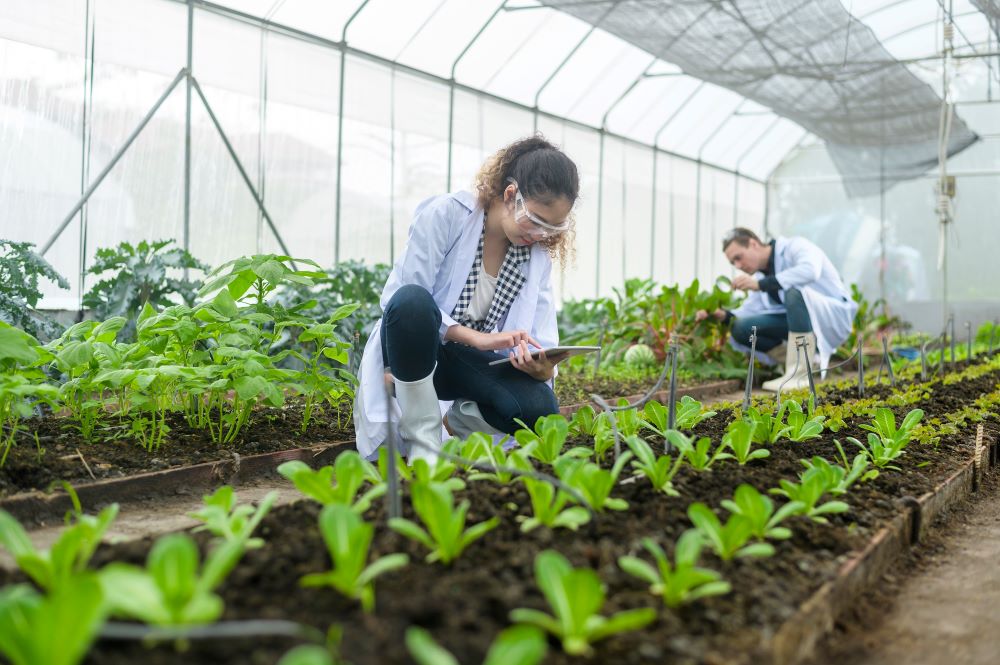
Farm-to-Table Movement
Consumers are seeking fresh, locally sourced ingredients. The farm-to-table concept emphasizes:
- Seasonal produce
- Support for local farmers
- Minimal processing
- Reduced carbon footprint
It enhances food quality while supporting community-based agriculture.
Global Flavors and Fusion Cuisine
Culinary boundaries are blending. Chefs and home cooks are experimenting with:
- Asian–Western fusion dishes
- Mediterranean-inspired meals
- Latin American spices and herbs
- African-inspired seasoning blends
Fusion cooking makes meals more diverse and culturally vibrant.
Convenience Meets Quality
Busy lifestyles have increased demand for convenient yet healthy eating options. Popular choices include:
- Meal kits
- Ready-to-eat salads
- Pre-prepared gourmet dishes
- Frozen meals made with clean ingredients
Quality and convenience can now coexist.
Sustainable and Ethical Food Choices
Many consumers prefer foods that support environmental and ethical values. Key practices include:
- Eco-friendly packaging
- Ethical sourcing
- Food waste reduction
- Sustainable fishing and farming
These choices contribute to a healthier planet.
Nutritional Principles for Better Eating
Balanced Meals
A nutritious meal typically includes:
- Lean proteins
- Whole grains
- Healthy fats
- Fresh vegetables and fruits
Balanced eating stabilizes energy levels and supports long-term wellness.
Hydration Matters
Water plays a major role in digestion, metabolism, and overall health. Drinking enough water each day is essential for maintaining bodily functions.
Mindful Eating
Being aware of eating habits can improve digestion and reduce overeating. Mindful practices include:
- Eating slowly
- Savoring flavors
- Recognizing hunger cues
- Avoiding distractions during meals
Challenges in the Food Sector
Food Safety Concerns
Contamination risks require strong safety standards across production and distribution.
Rising Grocery Costs
Economic shifts impact food prices, affecting household budgets and meal planning.
Nutrition Misinformation
Conflicting dietary advice makes it difficult for individuals to choose reliable nutrition guidelines.
Environmental Impact
Production and packaging still pose environmental challenges that require ongoing innovation.
The Future of Food
The food industry is gearing toward personalized nutrition, AI-driven meal planning, sustainable production, and innovative cooking technologies. As consumer expectations evolve, food will continue balancing flavor, nutrition, and environmental responsibility.
FAQs
1. What is the healthiest diet to follow?
The best diet varies by individual needs, but balanced meals with whole foods are universally beneficial.
2. Are plant-based proteins as nutritious as animal proteins?
Many plant-based proteins offer comparable nutrition when combined for essential amino acids.
3. How can I reduce food waste at home?
Plan meals, store produce properly, and repurpose leftovers creatively.
4. Are frozen foods healthy?
Yes, many frozen fruits and vegetables retain their nutrients and offer convenient meal options.
5. How do I identify organic foods?
Look for certified labels indicating they were grown without synthetic pesticides and fertilizers.
6. Why is sustainable eating important?
It protects environmental resources, supports ethical farming, and promotes long-term food security.
7. How can I improve my cooking skills?
Start with simple recipes, practice regularly, and explore diverse cuisines.