


Introduction
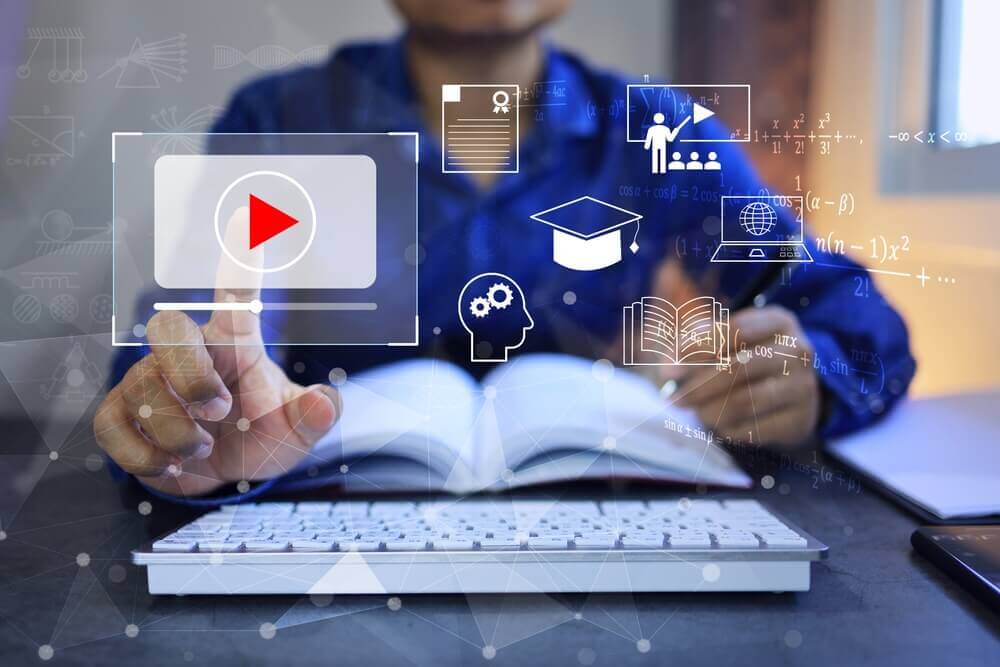
Education is evolving faster than ever, driven by technology, global connectivity, and new learning needs. Traditional classroom models are now merging with digital tools, personalized instruction, and skill-based training. As the world becomes more complex, the education sector is shaping itself to prepare students for a dynamic future.
Key Trends Shaping Modern Education
Digital Learning Becomes Mainstream
The shift toward online and blended learning is one of the most significant changes. Students can now access lessons from anywhere, leading to:
- Greater learning flexibility
- Multimedia-rich content
- Virtual classrooms
- Access to global educators and resources
Digital platforms also help educators monitor progress and customize instruction.
Personalized and Adaptive Learning
One-size-fits-all teaching is fading. Today’s classrooms emphasize customized learning paths based on:
- Individual strengths
- Learning pace
- Performance analytics
- Skill gaps
Adaptive software adjusts difficulty levels, ensuring every learner progresses effectively.
Skill-Based Education
Employers are seeking practical skills rather than just academic degrees. Modern curricula focus on:
- Critical thinking
- Digital literacy
- Communication and teamwork
- Problem-solving
- Technological proficiency
This approach equips students for real-world careers.
EdTech Integration
Educational technology is now at the core of teaching. Tools such as:
- Interactive whiteboards
- AI-driven tutors
- AR/VR simulations
- Learning management systems
are enhancing both engagement and comprehension.
Mental Health and Student Well-Being
Schools and universities are prioritizing emotional wellness. Support programs include:
- Counseling services
- Stress-management workshops
- Mindfulness activities
- Peer-support networks
Healthy students learn better and participate more actively.
Collaborative and Project-Based Learning
Team-based projects help students build essential workplace skills. This method encourages:
- Creativity
- Leadership
- Communication
- Teamwork
Project-based learning allows students to apply knowledge to practical scenarios.
Challenges Facing the Education Sector
Digital Divide
Not all students have equal access to digital tools, which creates learning disparities.
Training for Educators
Teachers must adapt to new technologies, requiring continuous upskilling and professional development.
Assessment Limitations
Traditional exams may not fully capture a student’s capabilities in creative or practical skills.
Overreliance on Technology
While beneficial, excessive screen time can affect focus, social skills, and well-being.
The Road Ahead
Education will continue moving toward flexible, technology-driven, and skill-focused models. Future classrooms may rely heavily on AI tutors, immersive VR experiences, and global learning networks. As society evolves, education will play a pivotal role in empowering individuals to navigate complexities and seize opportunities.
FAQs
1. Is online learning as effective as in-person classes?
Yes, when well-structured. Online courses with interactive content can be equally, if not more, effective.
2. How can schools reduce the digital divide?
Providing devices, improving internet access, and offering community learning centers help bridge gaps.
3. Why is skill-based learning important today?
It prepares students for practical job requirements and rapidly changing industries.
4. Are traditional teaching methods still relevant?
Absolutely. Blending traditional methods with modern tools offers balanced learning.
5. What role does AI play in education?
AI supports personalized learning, automates grading, and offers real-time feedback.
6. How can parents support modern learning models?
Encouraging digital literacy, creating supportive study environments, and communicating with educators enhance learning outcomes.
7. What future jobs should students prepare for?
Fields like AI, cybersecurity, renewable energy, digital marketing, and healthcare technology are expected to grow rapidly.